
Computer Scienceon Adaptive.
Master Computer Science with Adaptive Learning
Fundamentals

Computer Architecture Basics
The course teaches fundamental computer architecture concepts, covering number systems, CPU design, memory hierarchy, instruction sets, and I/O, enabling students to grasp how hardware and software interact.
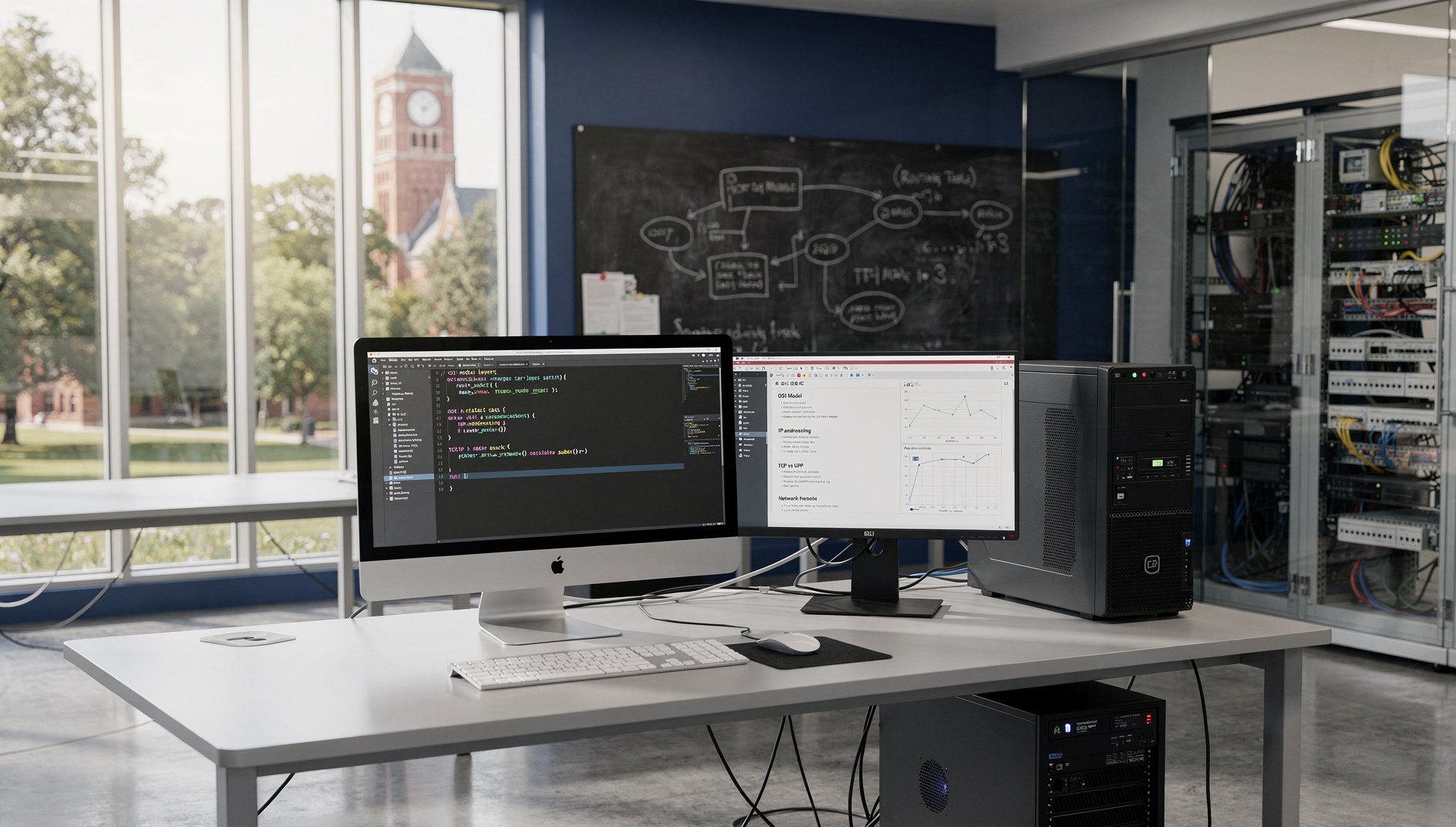
Networking Fundamentals
The Networking Fundamentals course teaches OSI and TCP/IP models, IP addressing, subnetting, network devices, topologies, TCP/UDP transport, and key application protocols, providing a vendor‑neutral foundation for beginners.

Operating Systems Concepts
The course teaches core operating‑system concepts—process, memory, file, I/O, and concurrency management—by exploring fundamental algorithms and design trade‑offs, enabling students to understand how modern OSes coordinate resources.
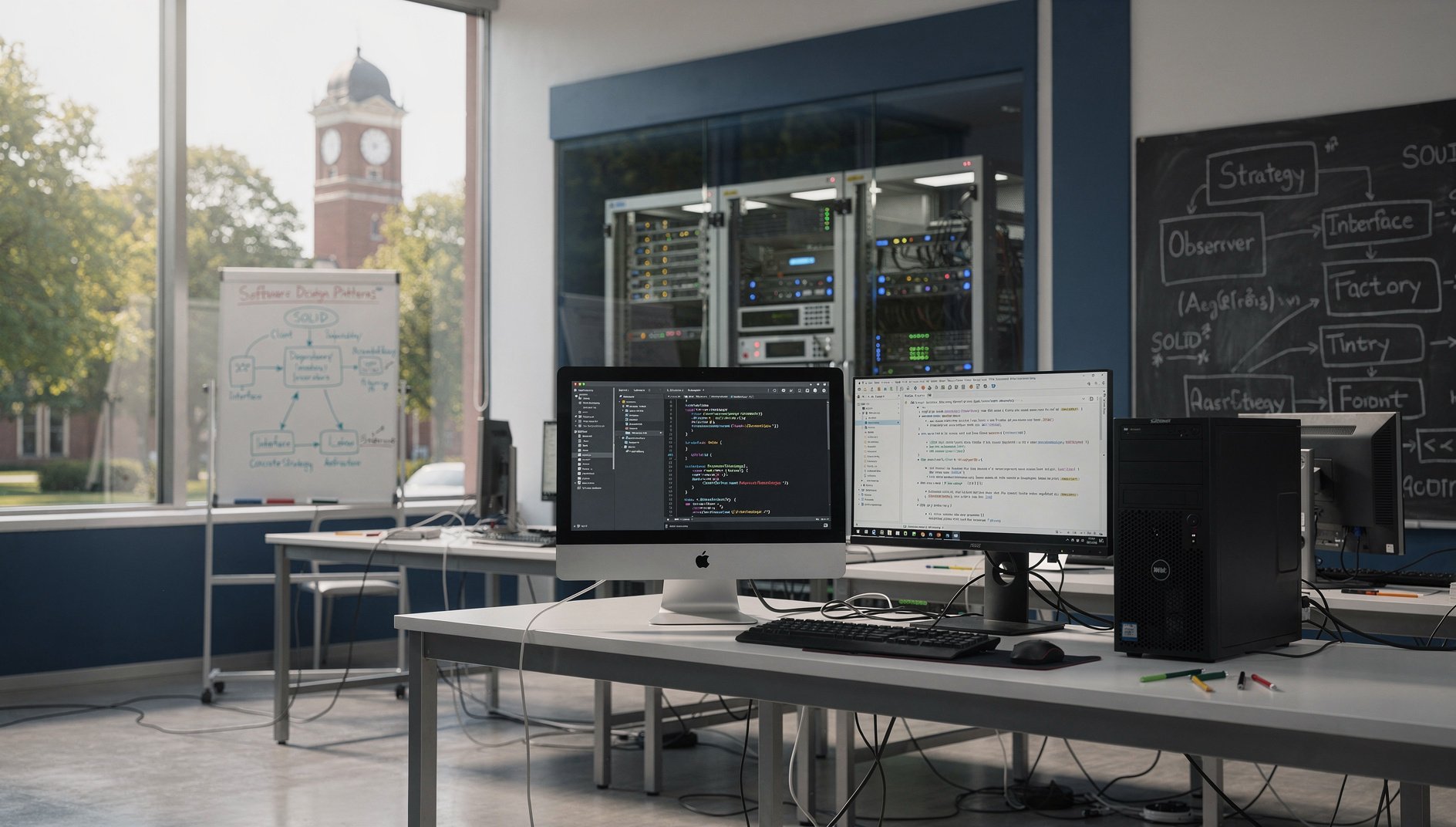
Software Design Patterns
The course teaches intermediate software design patterns, covering SOLID principles, creational, structural, behavioral, and architectural patterns, and shows how to select and apply them responsibly to improve code quality.
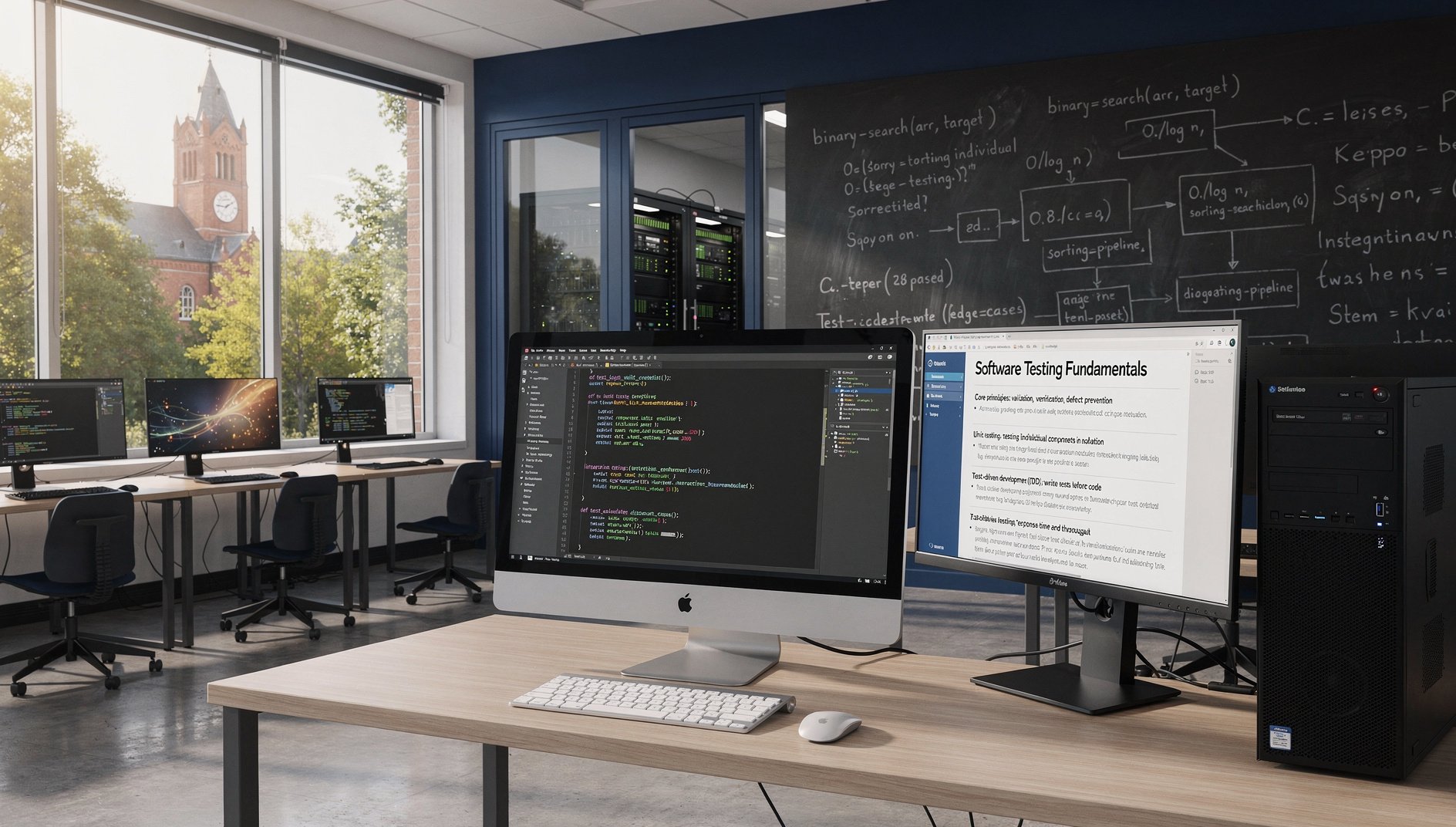
Software Testing Fundamentals
The course teaches core testing principles, terminology, unit, integration, system testing, test‑driven development, and basics of performance and security testing, enabling developers and QA engineers to design effective test strategies.
Why AccelaStudy® AI
40-60% Less Study Time
Skip what you know. Target what you don't.
Score Prediction
Know your pass probability before booking the exam.
Cross-Domain Transfer
Knowledge transfers automatically between related domains.
Start studying Computer Science today
Adaptive learning that skips what you know and targets what you don't.
Create Free Account